
Menopause After Hysterectomy: Why the Ovaries Matter
A hysterectomy removes the uterus, so periods stop, but retained ovaries may continue producing hormones. Removing both ovaries can bring on menopause more abruptly. Your surgery details and symptoms help guide the discussion when the usual last-period milestone cannot be used.
In this article
A hysterectomy removes the uterus, but menopause is mainly about ovarian hormone changes. That is why the details of surgery matter: keeping the ovaries can mean a very different hormonal experience than removing them. Understanding menopause after hysterectomy and why ovaries matter can help you ask better questions, recognize symptoms sooner, and plan follow-up care with your clinician.
Will a hysterectomy cause menopause?
A hysterectomy by itself does not always cause immediate menopause. If the uterus is removed but the ovaries stay in place, the ovaries may continue producing hormones even though menstrual periods stop because there is no uterus to shed a lining. The Office on Women’s Health explains that retained ovaries may still make hormones after the uterus is removed.
The confusion is understandable because periods are one of the clearest signs people use to track menopause. After hysterectomy, that marker disappears. You may not bleed anymore, but your ovaries may still be cycling, gradually changing, or already slowing down depending on your age, health history, and the type of surgery performed.
The ovaries are the hormone center of the conversation
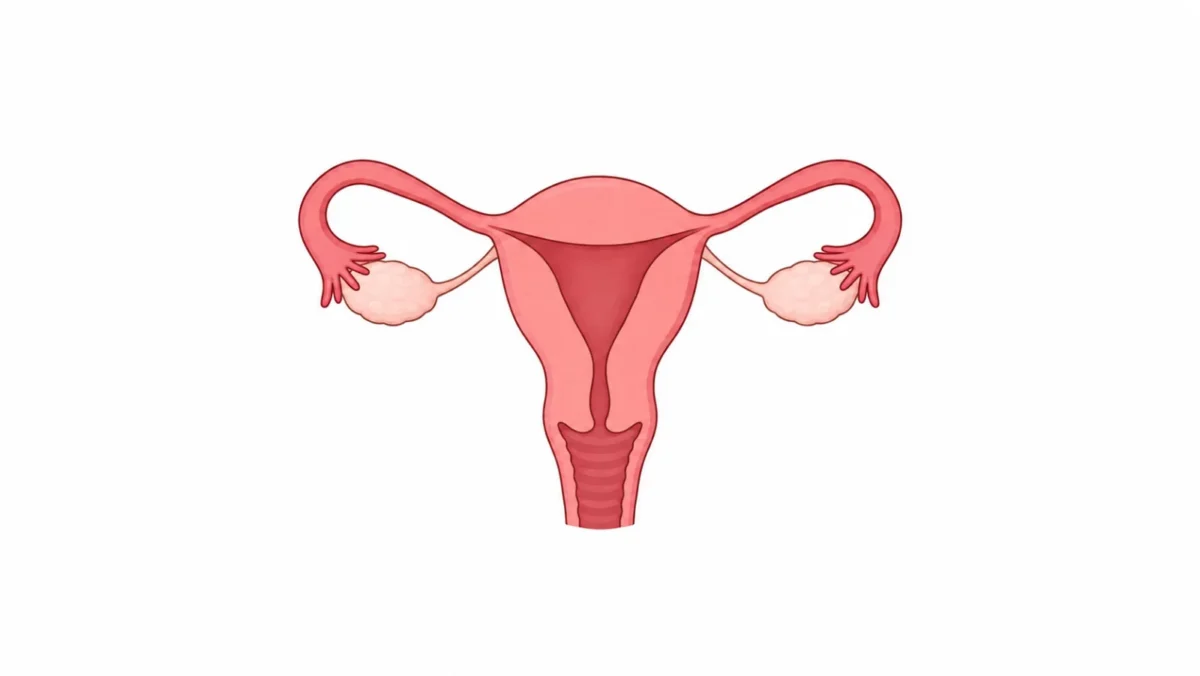
Ovaries produce hormones, including estrogen. Removing the uterus and removing the ovaries therefore have different implications. A lack of menstrual bleeding after hysterectomy does not by itself establish that ovarian hormone production has ended.
When ovaries are left in place during hysterectomy, menopause may happen naturally later, although tracking the timing can be harder without periods. When both ovaries are removed before natural menopause, hormone levels can drop suddenly, and menopause symptoms may begin quickly. The Office on Women’s Health describes the more abrupt hormone change when both ovaries are removed.
Common surgery terms that affect menopause risk
The names of procedures can sound similar, but they mean different things for hormones:
-
Partial or supracervical hysterectomy: The uterus is removed, but the cervix remains. Ovaries may or may not be removed.
-
Total hysterectomy: The uterus and cervix are removed. This does not automatically mean the ovaries are removed.
-
Salpingectomy: One or both fallopian tubes are removed. The ovaries may stay.
-
Oophorectomy: One or both ovaries are removed.
-
Bilateral salpingo-oophorectomy: Both ovaries and both fallopian tubes are removed, often creating immediate menopause if you were not already menopausal.
If you are reviewing surgical paperwork, look specifically for words like “ovary,” “oophorectomy,” “bilateral,” and “salpingo-oophorectomy.” Those terms usually tell you more about menopause timing than the word “hysterectomy” alone.
Symptoms may appear differently after surgery
Menopause symptoms after hysterectomy can be straightforward for some people and confusing for others. Without monthly bleeding, you may need to pay closer attention to body signals such as hot flashes, night sweats, sleep disruption, vaginal dryness, changes in sexual comfort, mood shifts, brain fog, or joint aches. These symptoms can also overlap with recovery, stress, medications, anemia, thyroid conditions, and other health issues, so it is worth discussing persistent changes instead of assuming they are “just normal.”
If both ovaries were removed before natural menopause, the hormonal shift can be abrupt. If an ovary remains, hormone production may continue, but an individual course cannot be predicted from the procedure name alone.
NICE NG23 describes symptom-based assessment after hysterectomy in otherwise healthy people aged 45 or over with menopause-associated symptoms. Younger age or other health concerns may need a different assessment. Bring the operative report and describe when symptoms began rather than applying a twelve-month no-period rule after uterus removal.
Read the surgical record before making assumptions
Use this comparison to organize questions, not to diagnose your stage or choose a surgical procedure.
| What the record says | What it may mean | Question for your clinician |
|---|---|---|
| Uterus removed; both ovaries retained | Periods stop, but ovarian hormones may continue | How should my symptoms and age be interpreted without periods? |
| Uterus and one ovary removed | The remaining ovary may continue hormone production | What do my operation details and current symptoms suggest? |
| Both ovaries removed | Before natural menopause, hormones change more abruptly | Which symptom and longer-term health questions need follow-up? |
Health planning matters after surgical menopause
When menopause happens early because both ovaries are removed, the body spends more years with lower estrogen. The Office on Women’s Health hysterectomy guidance recommends discussing symptoms and longer-term health concerns after ovary removal with a clinician.
That does not mean everyone will have the same risks or need the same treatment. It does mean follow-up care is important. A clinician may talk with you about symptom management, bone health, heart health, sexual comfort, sleep, mental health, and whether menopausal hormone therapy is appropriate for your situation. Hormone therapy is individualized and may not be recommended for everyone, especially with certain cancer histories or blood clot risks.
A practical checklist for your appointment
Bring clear questions to your surgeon, gynecologist, or menopause-trained clinician:
-
Were one or both ovaries removed? Ask for the exact procedure name, not just “hysterectomy.”
-
Were the fallopian tubes removed? This can matter for cancer-risk conversations while preserving ovaries in some cases.
-
Am I already menopausal, perimenopausal, or likely to enter menopause now? Your age and symptoms help guide the answer.
-
Which symptoms should I track during recovery? Include hot flashes, night sweats, sleep, mood, vaginal dryness, urinary changes, and pain with sex.
-
Do I need bone or heart health screening? This is especially important if menopause is early or sudden.
-
Is hormone therapy or a nonhormonal option appropriate for me? Ask about benefits, risks, timing, and alternatives.
Life after hysterectomy can still feel steady
Many people feel relief after hysterectomy, especially when surgery treats heavy bleeding, fibroids, pelvic pain, prolapse, or other disruptive conditions. Others feel surprised by hormone symptoms, grief, sexual changes, or the emotional weight of a major operation. Both experiences can be real at the same time.
The key is not to minimize changes. If symptoms interfere with sleep, work, intimacy, mood or daily comfort, ask a qualified clinician what support fits your surgery details, history and priorities. Do not start or change treatment based on the procedure name alone.
The takeaway
Menopause after hysterectomy depends largely on what happens to the ovaries. If they remain, menopause may not happen right away; if both are removed, menopause can begin suddenly. Understanding menopause after hysterectomy and why ovaries matter gives you a clearer way to discuss risks, symptoms, and next steps with your healthcare team.
Direct Preventive Care offers women’s hormone care and menopause care in Winter Garden, serving the Orlando area with virtual and in-person options. Bring your surgical records and symptom notes, and ask whether follow-up with your surgeon or another specialist is appropriate.
This article provides general education. Individual treatment decisions belong in a conversation with a qualified clinician.