
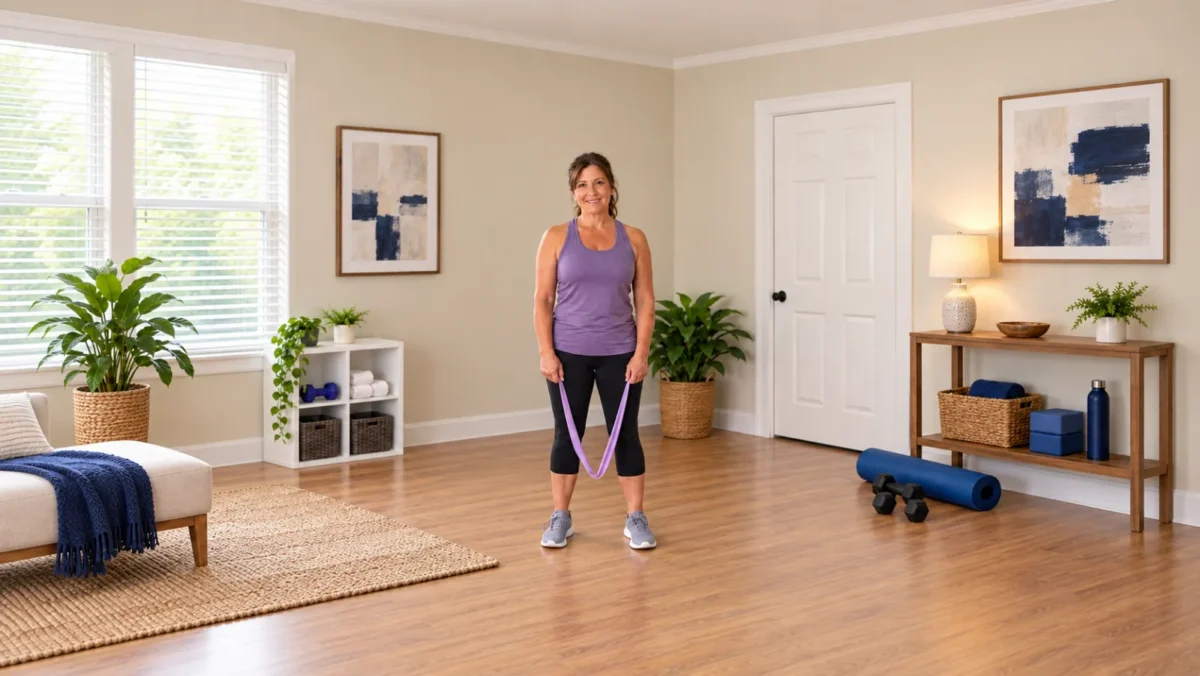
Strength Training During Perimenopause: Build a Sustainable Movement Plan
Strength training can be part of a sustainable midlife activity plan alongside aerobic movement. Start at a level suited to your experience and health, build consistency, and ask for guidance when pain, limitations or medical conditions affect what you can do.
In this article
Yes: strength training during perimenopause can be part of a useful movement plan when it is matched to your body, your symptoms, and your current fitness level. Pair it with aerobic activity, build slowly, and choose daily function goals that matter more than the scale.
This article is for education, not a diagnosis or a personalized prescription. Clinical decisions should be made with a qualified clinician who knows your health history. Direct Preventive Care serves Winter Garden and the Orlando area with virtual and in-person care for adults who want clear, individualized conversations about hormone health, movement, and midlife changes.
Choose a function goal beyond the scale
Perimenopause can make your body feel less predictable. Sleep may shift. Energy may change. Your weight may not respond the way it used to. That does not mean your only goal has to be weight loss.
A better starting point is function. What do you want your body to help you do?
What should your main movement goal be?
Your main goal should be a real-life task you want to protect or improve, such as carrying groceries, getting up from the floor, climbing stairs, walking around the neighborhood, or lifting luggage without feeling wiped out. These goals are practical, measurable, and connected to independence.
The scale can give one piece of information. It cannot tell you how strong your legs are, how steady your balance feels, or whether your back tolerates a busy day.
Choose a daily function goal suited to your current ability, with guidance where needed. Possible goals to discuss include:
-
Lower-body strength: stand from a chair without using your hands.
-
Carrying capacity: carry two grocery bags from the car with good posture.
-
Stamina: build a walking routine that fits your ability and available time.
-
Balance: ask which supported activities fit your fall risk and experience.
-
Floor confidence: get down to and up from the floor safely.
Keep it simple. One goal. One plan. One honest check-in each week.
Strength and aerobic activity serve different purposes
Resistance training you can use long term is not about punishment. It is about applying enough challenge to your muscles and bones that your body has a reason to adapt.
Strength work uses your muscles against resistance. That resistance may come from dumbbells, machines, bands, kettlebells, body weight, or everyday loads. Aerobic activity trains your heart, lungs, and endurance. Brisk walking, cycling, swimming, dancing, and jogging are common examples.
Both matter. They are not interchangeable.
CDC’s general adult guidance combines aerobic movement with muscle-strengthening activity. It describes at least 150 minutes of moderate aerobic activity or 75 minutes of vigorous activity per week, plus strength activity on two or more days. Those are general adult recommendations, not a menopause-specific formula or a personal prescription. Activity can be divided into manageable periods and adapted to health and ability.
ACOG’s menopause guidance discusses weight-bearing and strength activity as part of midlife bone health. This supports a conversation about sustainable movement; it does not promise a particular hormone-treatment or muscle-gain result.
What does a balanced week look like?
A balanced week usually includes strength, aerobic work, mobility, balance, and rest. There is no universal exercise prescription, required load, or menopause-only training formula. The right plan depends on your baseline, symptoms, injuries, bone health, heart health, schedule, and preferences.
Use a flexible week planner instead of a rigid calendar:
|
Movement category |
Main option |
Backup time slot |
|---|---|---|
|
Strength |
Strength activity selected for your ability and goals |
A shorter available window using an appropriate plan |
|
Aerobic |
Brisk walk, bike, swim, or similar |
Smaller blocks of movement that fit your day |
|
Mobility |
Gentle stretching or yoga-style movement |
A comfortable alternative window |
|
Balance |
Supported balance work chosen with appropriate guidance |
A dedicated time with a safe setup |
|
Recovery |
Sleep, hydration, easier movement |
Swap a hard day for a walk |
This framework helps you keep the category, even when the exact workout changes. That is the point. Your plan should bend before it breaks.
Make consistency practical
The best plan is not the hardest plan. It is the plan you can repeat during a normal week.
Choose strength activities that fit your experience and function goals. If movements are unfamiliar, ask a qualified professional about technique and a suitable starting level rather than adopting someone else’s exercise list.
Then add aerobic activity on separate days or after shorter strength sessions. If you enjoy walking, use it. If heat, joints, or time make walking harder, choose cycling, swimming, or indoor options.
Review the plan as you learn what is repeatable. Ask when a change in resistance or duration makes sense for you; there is no universal week-by-week progression for perimenopause.
Progressive overload means gradually asking more from the body. It does not mean maxing out, pushing through sharp pain, or chasing soreness.
Use the effort guidance appropriate to your chosen activities and health. More intensity is not automatically better; discuss symptoms or limitations before increasing the challenge.
Adapt the plan to your health and experience
Perimenopause is not a reason to avoid strength training. It is a reason to be more thoughtful.
If you are new to exercise or have bone-health concerns, pain, balance difficulties or other medical limitations, ask for guidance before increasing intensity. Appropriate modifications depend on the person; this article does not prescribe movements or spinal-loading restrictions. New chest pain, faintness or unusual breathlessness needs timely medical attention.
Pelvic floor symptoms deserve attention, not embarrassment. If leaking, heaviness, pressure or pain occurs with activity, ask for qualified assessment rather than trying to correct it with a generic technique cue.
Use this safety checklist:
-
Warm up before lifting.
-
Increase one variable at a time: weight, reps, sets, or speed.
-
Stop for sharp pain, chest pain, faintness, or unusual shortness of breath.
-
Choose controlled form over heavier weight.
-
Plan harder sessions after better sleep when possible.
-
Keep easy movement available for lower-energy days.
Strength training benefits can include better support for muscle, bones, balance, daily function, and metabolic health. But your results will depend on many factors, including consistency, nutrition, sleep, medical history, medications, and hormone changes.
Hormones change. Care should keep up.
Direct Preventive Care offers women’s hormone care and menopause care in Winter Garden, serving the Orlando area with virtual and in-person options. Bring your movement goals and relevant health concerns, and ask whether additional exercise or rehabilitation guidance is appropriate.
This article provides general education. Individual treatment decisions belong in a conversation with a qualified clinician.