Hormone Balance Care

Physician-guided hormone balance care with personalized evaluation, safety screening, clear options, and follow-up in Winter Garden.

the science

Symptoms can have more than one cause

Hormone-related symptoms are often nonspecific. Menopause guidance from ACOG emphasizes the importance of symptom patterns, while testosterone guidance requires compatible symptoms plus consistently low, accurately measured levels in men. A single hormone result rarely explains the entire picture. This evidence-informed perspective helps the clinical team discuss hormone balance care with appropriate caution while still giving you useful, actionable information about what the service may and may not address. At Direct Preventive Care, the physician-led team uses this context to discuss hormone balance care with a defined clinical goal, realistic expectations, and appropriate follow-up. Related care pathways: Women’s Hormone Health, Men’s Hormone Health, hormone pellet therapy, and bioidentical hormone therapy address different clinical questions.

Why hormones

Why hormone balance starts with more than a single result

Hormone symptoms are nonspecific
Fatigue, mood, sleep, libido, and body-composition changes can have several possible contributors.
Life stage changes the meaning
Menopause, menstrual patterns, aging, fertility, and other transitions shape the evaluation.
Thyroid and metabolic health matter
Related conditions and medications can overlap with symptoms often attributed to hormones.
Testing should answer a question
Relevant hormone testing is interpreted with timing, symptoms, history, and treatment goals.
Dr. Yamines and Dr. Omar broaden the view
The Direct Preventive Care team connects women’s health, urologic, sexual, and preventive perspectives.
Follow-up keeps the plan honest
Response, side effects, screening, and changing priorities help determine what should happen next.

Hormonal changes touch every part of your life. We help you regain control.
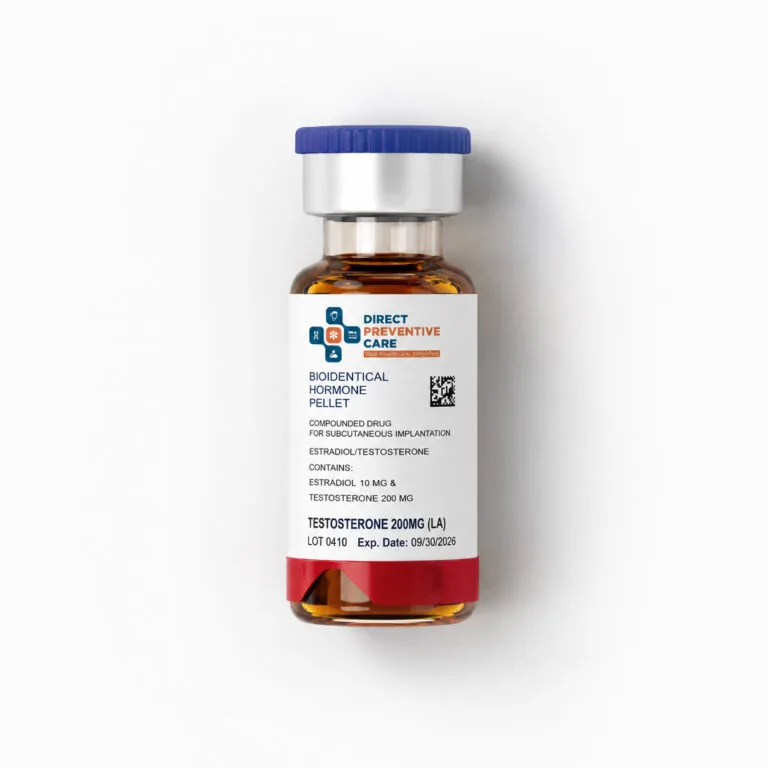
Personalized hormone balance care

Direct Preventive Care evaluates hormone balance care with clinical context, appropriate monitoring, and realistic alternatives.

Three personalized steps

A personalized hormone balance plan

Map symptoms and priorities
We connect symptoms, reproductive context, medications, medical history, lifestyle, and goals before discussing whether hormone-focused care fits.
Review history and options
Your clinician explains appropriate testing, treatment routes, alternatives, expected benefits, limitations, and safety considerations in plain language.
Set monitoring and follow-up
Follow-up reviews response and changing priorities so the plan can be continued, refined, or reconsidered with clinical guidance.

One membership. Complete care.

Benefits

More clarity around hormone symptoms

The benefit of personalized hormone balance evaluation is greater clarity: you understand the clinical goal, the evidence behind the discussion, the information being monitored, and the next decision. For men and women with fatigue, mood changes, sleep disruption, libido concerns, body-composition changes, menstrual or menopausal symptoms, or other hormone-related questions, that structure supports more thoughtful care and a better patient experience. Dr. Yamines Alifonso and Dr. Omar Cruz-Diaz are part of the Direct Preventive Care team helping patients connect hormone questions with life stage, symptoms, sexual health, and preventive care.

Treatment

What “hormone balance” should mean

When discussing hormone balance care, the team starts with the reason you are seeking care and the outcome you want to improve. Hormone-related symptoms are often nonspecific. Menopause guidance from ACOG emphasizes the importance of symptom patterns, while testosterone guidance requires compatible symptoms plus consistently low, accurately measured levels in men. A single hormone result rarely explains the entire picture. That context helps determine whether this service is reasonable, what alternatives exist, and which safety boundaries matter for you.

experience

A conversation that makes room for nuance

Dr. Yamines Alifonso and Dr. Omar Cruz-Diaz are part of the Direct Preventive Care team helping patients connect hormone questions with life stage, symptoms, sexual health, and preventive care. Your visit is designed to feel clear and unhurried. You can explain what has changed, ask how hormone balance care works, review relevant records, and understand what happens next. The clinician connects your concerns with symptoms, treatment response, relevant hormone or thyroid testing, metabolic markers, medication effects, screening needs, and the outcomes that matter most to you so the plan is easier to follow.

Support

Keep the whole person visible

Support continues after the initial recommendation. The team can revisit your response, questions, medication list, relevant testing, and changing priorities, then help coordinate next steps. That ongoing relationship is especially useful when hormone balance care requires adjustment, monitoring, or realistic expectations over time.

hydration

Track symptoms and safety

A safe care plan pays attention to the details that influence day-to-day response, including hydration, nutrition, medication tolerance, sleep, and symptoms. Your clinician decides which factors matter most for hormone balance care and explains what to track before assuming a treatment is helping.

Nutrients

Support health while you investigate

sleep, strength, nutrition, stress regulation, sexual health, relationships, and preventive care that can influence how hormone-related symptoms feel day to day can strengthen the foundation around hormone balance care, but lifestyle guidance should be personalized to your abilities, conditions, preferences, and goals. The focus is not perfection; it is choosing practical changes that can be sustained and reviewed alongside medical care.

Advantages

The advantages of a plan for hormone-related symptoms

A structured plan for hormone balance care gives you more than access to a service. It creates a clinical goal, puts the recommendation in context, makes monitoring visible, and leaves room to change course when your response, risks, laboratory results, or priorities point in a different direction.
Direct Preventive Care quality and patient safety badge
Advantages
A defined clinical goal
Starting with a defined clinical goal keeps hormone balance care connected to a measurable question or outcome. Your clinician can explain what improvement would look like, what may take time, and what would suggest that another approach is more appropriate.
Better context for decisions
Better context comes from reviewing symptoms, medical history, current medicines, family history, risk factors, and relevant laboratory results together. This helps the team avoid treating a number or a marketing claim without understanding the person behind it.
Clearer follow-up
Clear follow-up identifies what to monitor, when to reconnect, and which symptoms or results deserve attention. For personalized hormone balance evaluation, that structure supports safer decisions and gives you a better way to judge whether the plan is meeting its purpose.
Room to adjust
Room to adjust matters because bodies, schedules, symptoms, and health goals change. A thoughtful plan can be continued, modified, paused, or replaced after the team reviews your response and the evidence available at each follow-up.
Considerations
Eligibility matters
Eligibility matters because hormone balance care is not appropriate for every patient. A clinician may recommend additional evaluation, a different service, an approved alternative, or referral when your history, medications, examination, or laboratory results change the risk-benefit discussion.
Results vary
Results vary even when two patients choose a similar service. Response can depend on diagnosis, baseline health, adherence, dose, formulation, lifestyle, genetics, and other conditions, so responsible care avoids promising a guaranteed timeline or outcome.
Monitoring is part of care
Monitoring is part of care, not an optional add-on. Depending on the service, follow-up may include symptoms, vital signs, medication tolerance, laboratory markers, screening, or physical findings that help the team identify benefit, risk, or the need to change direction.
Alternatives remain important
Alternatives remain important, including nutrition, movement, sleep support, medication changes, approved therapies, referral, watchful follow-up, or no treatment. The best plan is the one that fits your clinical needs, preferences, resources, and ability to continue safely.

wellness

Make the plan fit real life

Long-term progress with hormone balance care depends on more than a single appointment. The team helps you connect treatment decisions with sleep, strength, nutrition, stress regulation, sexual health, relationships, and preventive care that can influence how hormone-related symptoms feel day to day, then revisit what is realistic, what is working, and what needs to change as your health develops.

Why You’ll Love it

Find a clearer explanation

Patients choose Direct Preventive Care because the team connects hormone balance care with a focused clinical question, appropriate evaluation, and clear follow-up. In Winter Garden, Florida, your care can begin with a practical conversation and continue with decisions that stay connected to your health—not just the product. Related resources: testosterone replacement therapy, bioidentical hormone therapy, hormone education. Explore these connected services and educational resources before your consultation.
months
0- 0

st

original digital longevity clinic

We built modern longevity medicine from the ground up — and made it available to everyone.

months
0- 0

patient satisfaction

Outstanding outcomes and exceptional service keep our patients coming back.

months
0- 0

K

biomarkers analyzed

We draw on broad lab insights to personalize treatment and track your progress.

Expert guidance you can rely on

Dr. Yamines Alifonso, MD

Board-Certified OB/GYN & Menopause Specialist

A dynamic and accomplished professional making her mark in Orlando, Florida, driven by her passion for community impact. Born and raised in Puerto Rico, she infuses her work with a unique blend of cultural richness and a strong work ethic. Expert in women’s health, hormone balance, and anti-aging medicine.

Dr. Omar Cruz-Diaz, MD

Double Board-Certified Urologist & Preventive Medicine Advocate

Graduated Magna Cum Laude with a Bachelor’s in Biology from the University of Puerto Rico, followed by a distinguished medical degree from UPR School of Medicine. His educational journey included residencies in General Surgery and General Urology, concluding with a prestigious Pediatric Urology Fellowship at Miami Children’s Hospital.

When it comes to your health, there's no room for shortcuts

Providers that treat isolated symptoms often miss what’s driving them. We look at the full picture — and we never compromise on care.

Hormone Balance Care Excellence
Typical
Providers
Comprehensive Multi-Hormone Testing

Complete assessment of estrogen, progesterone, testosterone, thyroid, cortisol, and more

Root Cause Analysis & Diagnosis

Identify underlying causes of hormone imbalance rather than treating symptoms only

Personalized Rebalancing Protocols

Customized treatment plans combining bioidentical hormones, supplements, and lifestyle changes

Integrated Lifestyle & Wellness Support

Guidance on nutrition, exercise, stress management, and sleep for optimal hormone health

Ongoing Monitoring & Optimization

Regular lab work and adjustments to maintain healthy hormone balance long-term
What our members are saying

Frequently asked questions

What is hormone-related symptoms?
hormone balance care refers to a clinician-guided care pathway for men and women with fatigue, mood changes, sleep disruption, libido concerns, body-composition changes, menstrual or menopausal symptoms, or other hormone-related questions. The service is not a guaranteed result or a substitute for diagnosis. A qualified clinician reviews your history, goals, medications, risk factors, and appropriate testing before discussing whether it fits.
Who may be a candidate for hormone-related symptoms?
A possible candidate is someone whose symptoms, goals, health history, and available evidence support a reasonable clinical question. Eligibility is individual, and some patients may need different treatment, additional testing, a referral, or no treatment at all.
Do I need labs before starting?
Some patients need baseline or follow-up testing, while others do not. Testing is selected for the clinical question and the service being considered; more tests are not automatically better, and results should be interpreted with your symptoms and medical history.
How is progress monitored?
Progress may be monitored through symptoms, treatment response, vital signs, medication tolerance, laboratory markers, screening needs, and changes in your goals. Follow-up helps the team continue, adjust, pause, or reconsider care based on what the evidence shows.
Can this be combined with other care?
Combining this service with other care may be appropriate, but it depends on interactions, contraindications, overlapping ingredients, and the team’s ability to monitor you. Share every prescription, over-the-counter medicine, vitamin, supplement, and treatment you use.
What should I bring to an evaluation?
Bring a current medication and supplement list, relevant laboratory reports, previous treatment details, allergies, family history, and a short summary of your concerns. Clear information helps the clinician make a safer recommendation and focus the visit on your priorities.

Discuss hormone balance care today

Ready to explore hormone balance care? Direct Preventive Care can help you review your goals, medication list, relevant records, and questions before deciding what is appropriate for your health. Eligibility, treatment availability, dosing, testing, and follow-up depend on individualized clinical evaluation.
This page is educational and does not replace medical advice, diagnosis, or treatment. Eligibility, treatment availability, dosing, testing, and follow-up depend on your health history, examination, medications, laboratory results, and clinician judgment. Direct Preventive Care does not guarantee a prescription, procedure, or outcome. Clinical reference links: ACOG menopause guidance and Endocrine Society testosterone guideline. Speak with a qualified healthcare professional before starting, changing, or stopping treatment.

Get $100 Off

Our Signature Program

Elevate your health journey with Direct Preventive Care and seize a remarkable $100 discount on your signature program! Experience our proven, science-driven protocols designed to enhance metabolism, support cellular vitality, and lead you towards a longer, healthier life.