Rapamycin Therapy

Physician-guided rapamycin care with individualized screening, medication review, monitoring, and follow-up in Winter Garden.
the science

Rapamycin belongs in a broader plan

Rapamycin, also called sirolimus, is an mTOR inhibitor with established transplant-related uses; its use for healthy aging remains an evolving research area rather than an FDA-approved anti-aging indication. The National Institute on Aging describes clinical experience in aging as limited, while the FDA-approved sirolimus label describes important immune, wound-healing, lipid, and interaction considerations. Direct Preventive Care separates established evidence from emerging research. Dr. Omar Cruz-Diaz and the team review your goals, health history, medications, immune status, metabolic factors, and appropriate laboratory context before discussing whether rapamycin is clinically reasonable. Explore healthy aging care, preventive lab testing, and medication management as connected parts of the conversation.

Why rapamycin

Why rapamycin needs careful context

The indication comes first
A clear clinical question helps distinguish established sirolimus uses from investigational healthy-aging goals and keeps the conversation focused on potential benefit, uncertainty, risk, and alternatives for your situation.
Immune effects matter
Rapamycin can affect immune function, so infection history, immune conditions, vaccines, procedures, and other medicines should be reviewed before a clinician considers an individualized plan.
Labs add safety context
Blood counts, kidney and liver considerations, lipids, glucose-related factors, and other testing may help the team understand baseline risk and decide what requires follow-up.
Interactions change decisions
Prescription medicines, supplements, grapefruit products, allergies, and planned procedures can influence sirolimus exposure or safety, making a complete medication review essential.
Research is not a guarantee
Laboratory and animal findings can be useful for research without proving a predictable human outcome; a responsible discussion keeps expectations realistic and does not promise longevity.
Follow-up protects the plan
Ongoing review helps identify tolerability concerns, new symptoms, laboratory changes, medication interactions, and whether continuing or stopping the discussion remains appropriate.

Understanding Rapamycin

How rapamycin fits into a careful strategy

Rapamycin, also known as sirolimus, is an mTOR inhibitor with established transplant-related uses. Research continues to examine mTOR biology and healthy aging, but evidence for routine anti-aging use in humans remains limited. Direct Preventive Care explains the difference between approved indications, emerging research, and a patient-specific clinical discussion before outlining next steps.

Three careful steps

A thoughtful rapamycin plan

Clarify goals and history
We review your reason for seeking rapamycin care, medical history, immune and infection considerations, procedures, current medicines, supplements, and the health outcomes you want to understand.
Review fit and safety
Dr. Omar Cruz-Diaz and the Direct Preventive Care team discuss evidence, uncertainty, interactions, laboratory context, potential risks, alternatives, and whether a monitored plan fits your priorities.
Monitor and reassess
Follow-up connects symptoms, tolerance, laboratory results, procedures, and new health information to the next decision. Plans may continue, change, pause, or stop when the clinical picture changes.

One membership. Complete care.

Benefits

The value of connected rapamycin care

Physician-guided rapamycin care gives you a clearer framework for separating established medical information from emerging healthy-aging research. Direct Preventive Care connects your goals with medication reconciliation, risk review, relevant laboratory context, and follow-up rather than presenting a compound as a standalone solution. The team can also connect the conversation with healthy aging, preventive labs, and concierge medicine in Winter Garden.

Treatment

What rapamycin care can—and cannot promise

When discussing rapamycin, the team starts with the reason you are seeking care and the outcome you want to understand. Rapamycin or sirolimus has established medical uses, while healthy-aging applications remain an evolving research area. The National Institute on Aging notes limited clinical data for aging indications. That distinction matters: a thoughtful plan can explain what is known, what is uncertain, which risks deserve attention, and which alternatives may better fit your history. Review connected healthy aging care and medication management before making a decision.

experience

Understand each rapamycin decision

The Direct Preventive Care team keeps rapamycin discussions connected to your symptoms, records, goals, medications, and follow-up. You can ask what the evidence does and does not show, how the FDA label differs from emerging research, which factors may change risk, and what information should be tracked. Dr. Omar Cruz-Diaz and the team can help organize a practical review in Winter Garden.

Support

Follow-up protects the plan

Support continues after the initial conversation. The team can revisit your response, questions, medication list, procedures, laboratory results, and changing priorities, then help coordinate the next step. Follow-up is particularly important when a medication can affect immune function, wound healing, lipids, or interactions with other care.

hydration

Monitor the full safety picture

A safe plan considers hydration, nutrition, sleep, infection symptoms, wound healing, medication tolerance, and laboratory markers that may influence day-to-day response. Your clinician decides which factors matter most for you and explains what to track before assuming a treatment is helping.

Nutrients

Build health around the medicine

Nutrition, movement, sleep, stress management, preventive screening, and practical routines can strengthen the foundation around a medication plan. Guidance should be personalized to your abilities, conditions, preferences, and goals; lifestyle support complements appropriate medical care rather than replacing it.

Advantages

The advantages of a monitored path

A structured rapamycin conversation gives you more than access to a medication discussion. It creates a clinical question, makes uncertainty visible, puts risks and interactions in context, and leaves room to adjust course when your health history, laboratory results, or priorities point in a different direction.
Direct Preventive Care quality and patient safety badge
Advantages
A defined clinical question
Starting with a defined question helps the team decide what information matters and prevents healthy-aging language from replacing appropriate medical evaluation.
Better context for decisions
Context comes from reviewing history, immune considerations, current medicines, supplements, procedures, risk factors, and relevant laboratory results together.
Clearer follow-up
Clear follow-up identifies what to monitor, when to reconnect, and which symptoms or results deserve attention during a medication discussion.
Room to adjust
A thoughtful plan can continue, change, pause, or stop after the team reviews response, safety information, and the evidence available at each follow-up.
Considerations
Eligibility matters
Rapamycin may not be appropriate for every patient. A clinician may recommend additional evaluation, a different service, referral, or no treatment when risks outweigh potential benefit.
Research remains limited
Research findings do not guarantee a predictable human result. Responsible care explains the difference between biological rationale, clinical evidence, and an individual recommendation.
Monitoring is part of care
Monitoring is not an optional add-on when a medication may influence immune function, wound healing, lipids, interactions, or other health factors.
Alternatives remain important
Alternatives may include preventive care, healthy-aging support, medication changes, nutrition, movement, sleep support, referral, watchful follow-up, or no treatment.

wellness

Make the plan fit real life

Long-term health is shaped by more than one medication. The team helps connect rapamycin questions with nutrition, movement, sleep, stress management, preventive screening, relationships, and practical routines that can be sustained and reviewed alongside medical care.

Why You’ll Love it

Find a clearer medication path

Patients choose Direct Preventive Care because the team connects rapamycin questions with a focused clinical evaluation, appropriate safety review, and clear follow-up. In Winter Garden, Dr. Omar Cruz-Diaz and the care team can help you understand what is established, what is still being studied, and what next step best fits your health goals. Related resources include healthy aging, preventive lab testing, medication management, and the local care team.

Medications that influence the whole body demand continuous oversight. Without proper monitoring, early warning signs go unnoticed and long-term outcomes suffer.

0- 0

mo.

The critical early window

The first months demand careful management of dosing, tolerability, and progress to ensure lasting success.

0

X

Longer treatment adherence

Dedicated follow-up helps keep rapamycin decisions connected to symptoms, safety information, laboratory context, and your health goals.
0

+

Body systems engaged

Dedicated follow-up helps keep rapamycin decisions connected to symptoms, safety information, laboratory context, and your health goals.
0 %

+

Lean muscle retained

With expert guidance, patients preserve muscle mass through evidence-based protein and strength protocols.

Expert guidance you can rely on

Dr. Yamines Alifonso, MD

Board-Certified OB/GYN & Menopause Specialist

A dynamic and accomplished professional making her mark in Orlando, Florida, driven by her passion for community impact. Born and raised in Puerto Rico, she infuses her work with a unique blend of cultural richness and a strong work ethic. Expert in women’s health, hormone balance, and anti-aging medicine.

Dr. Omar Cruz-Diaz, MD

Double Board-Certified Urologist & Preventive Medicine Advocate

Graduated Magna Cum Laude with a Bachelor’s in Biology from the University of Puerto Rico, followed by a distinguished medical degree from UPR School of Medicine. His educational journey included residencies in General Surgery and General Urology, concluding with a prestigious Pediatric Urology Fellowship at Miami Children’s Hospital.

Rapamycin research needs context

Rapamycin has a well-established medical history, but healthy-aging applications remain an evolving research question. Our team reviews the FDA label, your health history, medications, immune considerations, relevant labs, and alternatives so the conversation stays grounded in safety and realistic expectations.

Rapamycin Longevity Excellence
Typical
Providers
Prescription-Grade Rapamycin Therapy

Medical-grade rapamycin with expert clinical oversight and longevity-focused treatment protocols

Cellular Autophagy & Longevity Optimization

Enhance cellular autophagy and renewal pathways for advanced lifespan and healthspan optimization

Anti-Aging & Cellular Rejuvenation

Support cellular regeneration and activate anti-aging pathways for comprehensive longevity benefits

Immunomodulation & Inflammation Management

Optimize immune function and manage chronic inflammation for sustained health and vitality

Comprehensive Lab Monitoring & Dosing

Ongoing biomarker testing and personalized rapamycin dosing for safe, optimal longevity outcomes
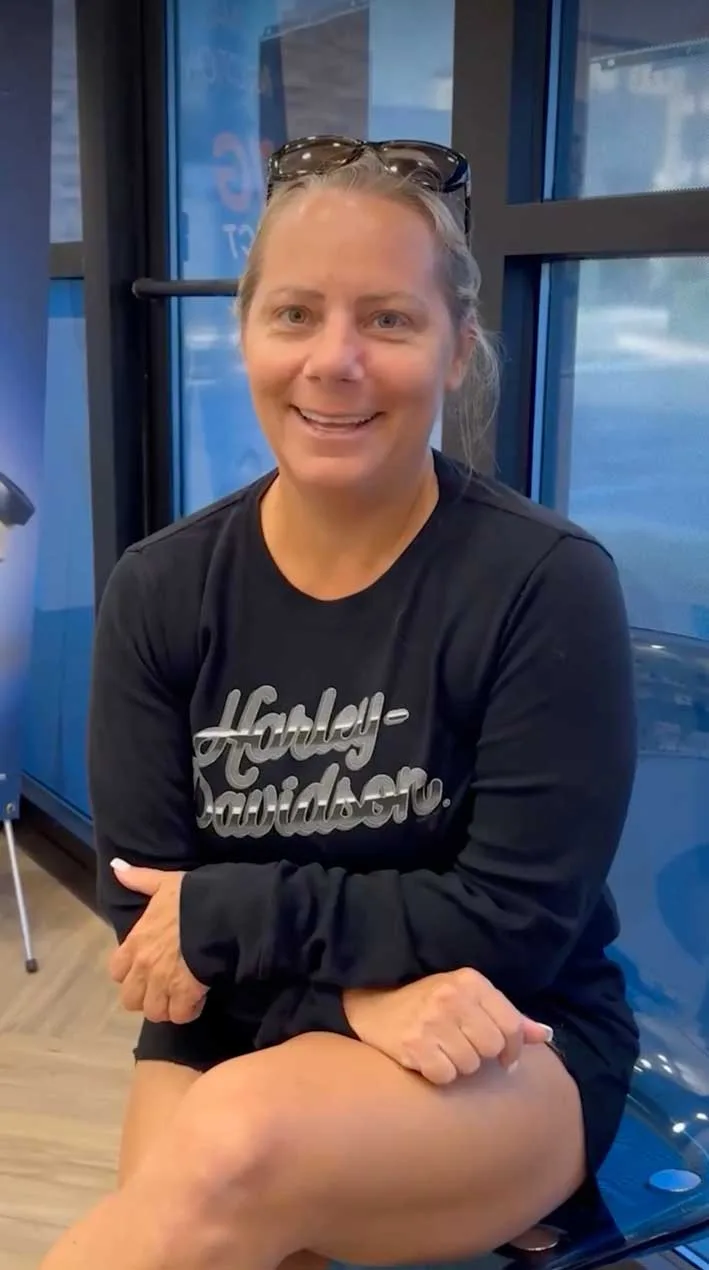
What our members are saying

Frequently asked questions

What is rapamycin?
Rapamycin, also called sirolimus, is an mTOR inhibitor with established transplant-related uses. Research is evaluating mTOR pathways and healthy aging, but the National Institute on Aging describes clinical experience for aging indications as limited. This page does not present rapamycin as a guaranteed longevity treatment.
Is rapamycin FDA-approved for anti-aging?
No. The FDA-approved sirolimus label covers specific medical uses, not a general anti-aging indication. Direct Preventive Care separates approved uses, clinician judgment, and emerging research before discussing whether a patient-specific plan is reasonable.
What should be reviewed before treatment?
A clinician may review your health goals, immune and infection history, medications, supplements, allergies, planned procedures, laboratory context, and other risk factors. Testing is selected for the clinical question rather than ordered automatically for every patient.
What risks should I understand?
The FDA label includes warnings and precautions involving immune suppression, infections, wound healing, lipid changes, kidney or liver considerations, and drug interactions. Your clinician explains which concerns apply to your history and what symptoms or results need attention.
Can rapamycin be combined with other care?
Sometimes, but the answer depends on your medications, supplements, immune status, procedures, laboratory results, and the reason for treatment. Tell the team about every prescription, over-the-counter product, supplement, IV therapy, and planned procedure before combining care.
How does Direct Preventive Care support patients?
The team connects medication review, appropriate laboratory context, preventive care, health goals, and follow-up. Dr. Omar Cruz-Diaz provides physician-led clinical oversight, while the care team helps keep communication, records, and next steps organized in Winter Garden.

Explore rapamycin care today

If you are considering rapamycin for healthy aging or another clinical goal, start with a careful conversation. Direct Preventive Care can review your goals, records, medication list, risk factors, and questions before discussing whether this option belongs in a monitored plan. Eligibility, treatment availability, dosing, testing, and follow-up depend on individualized clinical evaluation.
This page is educational and does not replace medical advice, diagnosis, or treatment. Rapamycin is not presented as a guaranteed anti-aging or longevity therapy. Eligibility, prescribing, availability, dosing, testing, and follow-up depend on health history, examination, medications, laboratory results, clinical judgment, and applicable regulations. Direct Preventive Care does not guarantee a prescription, procedure, or outcome. Discuss new or changing treatment with a qualified healthcare professional.

Get $100 Off

Our Signature Program

Elevate your health journey with Direct Preventive Care and seize a remarkable $100 discount on your signature program! Experience our proven, science-driven protocols designed to enhance metabolism, support cellular vitality, and lead you towards a longer, healthier life.