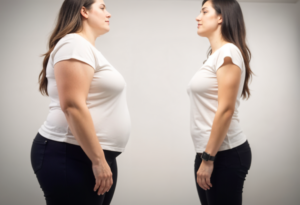

Menopause is a natural life transition, but let’s face it—how to manage menopause weight gain is one of the most common (and frustrating) challenges women face during this time. You’re not alone if you’ve noticed the number on the scale creeping up, especially around your stomach, even though your eating habits haven’t changed. The good news? Weight gain during menopause is common, but it’s not inevitable. With the right approach, menopause weight loss is not only possible—it’s sustainable.
Entra nel cuore pulsante dell’azzardo italiano di qualità visitando il link ufficiale e sicuro al cento per cento https://kingmakerscasinos.com. Troverai le slot più calde e redditizie del momento e bonus che renderanno ogni tua partita un’esperienza indimenticabile, ricca, proficua e molto lussuosa per te. Non aspettare che sia qualcun altro a incassare il jackpot milionario di oggi, prenditelo oggi stesso con tutta la tua determinazione, classe, talento e audacia.
Let’s break down exactly why this happens and, more importantly, how to lose menopause weight in a healthy, practical way.
Why Does Menopause Cause Weight Gain?
Before diving into the solutions, let’s address the big question: does menopause cause weight gain?
Yes, but it’s not just about hormones.
Estrogen levels drop significantly during menopause. Estrogen plays a key role in regulating metabolism, fat distribution, and appetite. When levels decline, the body tends to store more fat—particularly around the abdomen—leading to the notorious menopause belly.
But hormones aren’t the only culprit. Age-related muscle loss (called sarcopenia), a slower metabolism, higher stress levels, and changes in sleep can also make it harder to stay lean. Combined, these factors make it crucial to understand how to manage menopause weight gain holistically—not just through dieting, but by addressing lifestyle, hormones, and mental well-being.

1. Prioritize Strength Training to Build Lean Muscle
Lifting weights isn’t just for bodybuilders. As estrogen decreases, so does your lean muscle mass. Less muscle = a slower metabolism. That means your body burns fewer calories even at rest.
Studies show that women who incorporate resistance training two to three times a week can lose menopause weight more effectively and maintain long-term fat loss. And don’t worry—lifting weights won’t make you bulky. It will make you strong, toned, and help you fight the dreaded menopause belly.
Start small: bodyweight squats, light dumbbells, and resistance bands are great for beginners.
2. Clean Up Your Diet Without Deprivation
You don’t need to go keto, vegan, or fast for 20 hours a day. But you do need to be intentional about what you eat. Here’s what to focus on:
- Protein: Aim for 20–30 grams per meal to maintain muscle and keep you feeling full.
- Fiber: Whole grains, vegetables, and legumes aid digestion and reduce cravings.
- Healthy fats: Avocados, nuts, and olive oil can help regulate hormones.
- Cut back on refined carbs and added sugars—they spike insulin and promote belly fat.
Remember: You don’t have to eat less—you have to eat smarter. That’s one of the secrets of how to manage menopause weight gain successfully.
3. Don’t Fear Hormones—Work With Them
It’s true that estrogen, progesterone, and even testosterone all decline during menopause. These shifts can slow metabolism, increase cravings, and disrupt sleep.
Talk to your doctor about:
- Hormone replacement therapy (HRT) – for some women, this can stabilize weight and mood.
- Thyroid testing – low thyroid function is often mistaken for menopause symptoms.
- Cortisol management – stress increases belly fat; mindfulness, yoga, and adaptogens like ashwagandha may help.
When your hormones are better balanced, it becomes easier to understand how to lose menopause stomach fat without constantly feeling like you’re battling your own body.
4. Move Daily, but Smarter
Excessive cardio isn’t the answer. It may actually raise cortisol and lead to more fat storage. Instead, focus on:
- Walking: A daily 30-minute brisk walk is powerful for weight loss and stress reduction.
- HIIT (High Intensity Interval Training): Short, intense bursts of exercise that burn more fat in less time.
- Yoga or Pilates: These can support muscle tone and reduce stress.
Think consistency over intensity for effective weight loss.
5. Get Serious About Sleep
Sleep isn’t a luxury—it’s a weight loss tool.
Poor sleep disrupts hunger hormones like ghrelin and leptin, increasing appetite and cravings (especially for sugar and carbs). Plus, women in menopause often struggle with hot flashes, night sweats, or insomnia.
Tips to improve sleep:
- Keep a consistent sleep schedule
- Avoid screens 1–2 hours before bed
- Try magnesium supplements or herbal teas
- Keep your room cool and dark
When you sleep better, your body burns fat better—and that’s essential for menopause weight loss to actually stick.

6. Ditch the Diet Mindset
Many women make the mistake of cutting calories drastically, skipping meals, or jumping from one fad diet to the next. This usually backfires by slowing your metabolism further and increasing muscle loss.
Instead of crash dieting, adopt a long-term mindset:
- Practice mindful eating
- Watch portion sizes, not food groups
- Celebrate progress—not perfection
This is a critical shift in learning how to lose menopause weight in a sustainable, loving way.
7. Supplement Wisely
No pill can magically melt belly fat, but the right supplements can support your journey:
- Vitamin D: Low levels are linked to weight gain and mood issues
- Omega-3s: Help reduce inflammation and support heart health
- Magnesium: Aids with sleep, stress, and cravings
- Probiotics: Gut health is closely tied to weight control
Always consult a healthcare provider before starting new supplements.
Your Body Deserves Care, Not Criticism
Managing your weight during menopause isn’t about vanity—it’s about vitality. The journey to understanding how to manage menopause weight gain isn’t linear. It takes time, experimentation, and self-compassion.
By combining strength training, a balanced diet, daily movement, hormone awareness, and emotional care, you can reclaim control. Whether you’re dealing with a menopause belly or trying to figure out how to lose menopause stomach fat, the answer isn’t in extremes. It’s in sustainable shifts.
You’ve taken the first step by seeking knowledge. Now take the next one—with confidence.